Peptides: What They Are, Side Effects, and Uses
Summary
Peptides are short chains of amino acids — the fundamental building blocks of proteins — that act as signaling molecules telling your body’s cells what to do. They influence processes like skin repair (collagen and elastin production) and metabolic regulation. Found naturally in foods and our bodies, peptides are used in skincare to firm skin and reduce wrinkles, and in medicine for conditions like diabetes, infection, and pain management. However, misuse (particularly with growth hormone peptides) carries health risks.
What They Are & How They Work
- Building Blocks: Amino acids link together to form peptides; many peptides form a polypeptide, which then folds into a protein — think of it like Lego bricks assembling into a structure
- Messengers: Applied topically or ingested, peptides signal cells to perform specific functions, such as boosting collagen and elastin production in skin
- Variety: Different sequences of amino acids create different peptides with unique jobs, from immune support to hormone regulation
Uses & Applications
- Skincare: Peptides like GHK-Cu improve skin barrier function, reduce wrinkles, enhance firmness, and fight acne by promoting collagen production and providing antimicrobial effects
- Medicine: Pharmaceutical peptides like Semaglutide and Tirzepatide treat diabetes, while others address HIV, cancer, and chronic pain
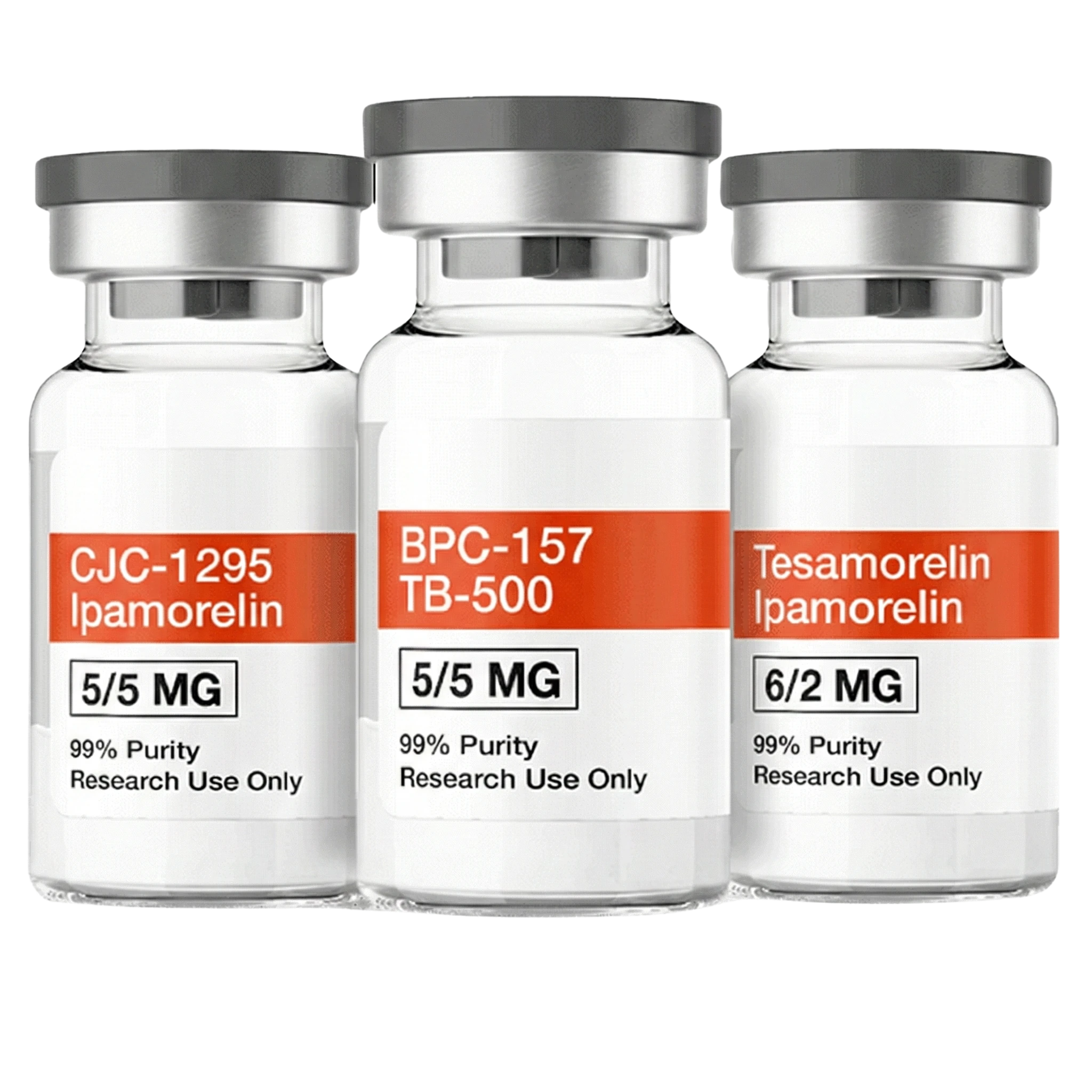
- Athletic & Body Composition: Synthetic peptides like CJC-1295 and Ipamorelin mimic growth hormones for muscle building, though this carries risks including metabolic and cardiovascular issues
What Are Peptides?
Peptides are short strings of amino acids, typically containing between 2 and 50 amino acids linked together. If you’re familiar with proteins, think of peptides as their smaller cousins — they share the same building blocks but in shorter chains.
This smaller size actually works in your favor. Peptides are easier for your body to absorb because they’re already partially broken down. They can penetrate your skin and intestinal lining more readily, allowing them to enter your bloodstream faster than larger protein molecules.
Where Do Peptides Come From?
The peptides found in supplements are typically derived from plant or animal protein sources:
- Eggs
- Milk and dairy
- Meat
- Fish and shellfish
- Beans and lentils
- Soy
- Oats
- Flaxseed and hemp seeds
- Wheat
Bioactive Peptides
Scientists are particularly interested in what they call “bioactive peptides” — those that have a measurable beneficial effect on the body. The specific effects depend on the sequence of amino acids in each peptide. Different sequences do different things.
The most popular peptide supplements you’ll encounter are collagen peptides for skin health and creatine peptides for athletic performance. Beyond supplements, peptides like BPC-157 and TB-500 have gained attention in research circles for their regenerative properties.
Uses and Benefits
Research indicates that bioactive peptides may:
- Lower high blood pressure
- Kill harmful microbes
- Reduce inflammation
- Prevent blood clot formation
- Improve immune function
- Act as antioxidants
Let’s break down the most common reasons people turn to peptides.
Slowing Down the Aging Process
Collagen is the protein responsible for keeping your skin, hair, and nails healthy. As we age, collagen production naturally declines — that’s where collagen peptides come in.
A 2022 review found that collagen supplements can help reduce or delay skin aging. A follow-up systematic review in 2023 confirmed these findings, showing positive effects on skin health. The research also suggests that peptide complexes can provide anti-wrinkle benefits.
For those interested in skin health, GHK-Cu is another peptide worth exploring — it’s been studied for its role in skin remodeling and wound repair.
Improving Wound Healing
Since collagen is essential for healthy skin, it makes sense that collagen peptides could speed up wound healing. A 2021 review highlighted collagen’s potential in this area.
There’s also exciting research into antimicrobial peptides — a class of peptides that may fight bacteria, fungi, parasites, and viruses. With antibiotic resistance becoming a growing concern, these peptides could offer promising alternatives.
Peptides like BPC-157 have been studied specifically for their healing properties, showing potential in accelerating tissue repair.
Preventing Age-Related Bone Loss
Bone health is another area where peptides show promise. Research suggests that moderate collagen peptide intake can help increase bone mass — potentially beneficial for those dealing with conditions like osteoporosis.
A 2018 study found that collagen peptide supplementation increased bone mineral density in postmenopausal women. A 2021 follow-up confirmed that long-term use can significantly improve bone markers.
Building Strength and Muscle Mass
For those focused on fitness, peptide supplements may help increase muscle mass and strength. A 2019 study showed that combining peptide supplements with resistance training was more effective than exercise alone. Similar results appeared in a 2022 study.
Growth hormone secretagogues (GHS) are a specific group of peptides that stimulate the body’s natural production of human growth hormone. These are being explored for treating conditions involving muscle wasting.
If you’re interested in muscle-building peptides, check out our pages on CJC-1295 and Ipamorelin, which are commonly used together.
Note: The World Anti-Doping Agency has banned many performance-enhancing peptides, including follistatin. Athletes subject to drug testing should be aware of prohibited substances.
Side Effects
For healthy individuals, peptide supplements are unlikely to cause serious side effects. After all, they’re similar to the peptides naturally present in the foods you eat every day.
That said, a few important caveats:
- Research is ongoing — we don’t have complete long-term data on all peptides
- Supplements aren’t tightly regulated — the FDA doesn’t oversee supplements the same way they do medications
- Quality varies — not all peptide products are created equal
Who Should Be Cautious
Consult a healthcare provider before using peptides if you:
- Are pregnant or breastfeeding
- Take medications (especially blood thinners or hormone-related drugs)
- Have an existing medical condition
- Have a history of allergic reactions
How to Use Peptides
The timing and dosage of peptide supplements varies significantly depending on the type and brand. Here are some general guidelines:
For Oral Supplements (Collagen, etc.)
- Follow package instructions exactly
- Most collagen supplements are taken daily
- Can typically be mixed into beverages or food
- Consistency matters more than timing
For Injectable Peptides
If you’re working with peptides that require reconstitution, proper technique is essential for maintaining peptide stability. Always use bacteriostatic water and follow sterile procedures.
You can use our dosing calculator to determine the correct injection volume based on your peptide concentration.
General Best Practices
- Never exceed the recommended serving size
- Store properly — most peptides need refrigeration after reconstitution
- Track your response — note any changes, positive or negative
- Discontinue use if adverse reactions occur and consult a doctor
The Bottom Line
Peptides represent a fascinating area of health research with genuine potential. From skin health and wound healing to bone density and muscle building, the applications are wide-ranging.
But let’s be real — peptides aren’t magic. They work best as part of a broader approach to health that includes proper nutrition, exercise, and medical guidance when needed.
If you’re considering peptides, do your homework. Start with well-researched options like collagen peptides, consult with a healthcare provider, and source your products from reputable suppliers.
For more detailed information on specific peptides, browse our peptide database or explore peptides by category.